
End-of-life care at home in Tameside, with family close
Many people want to spend their last weeks in their own bed, with their own things around them. A carer helps with washing, comfort and the long nights, alongside the GP and the district nurse, so the family can spend the time being family.

When to ring us
There is rarely one clear moment. These are the times families usually call.
- The GP, the hospital or the hospice has said time may be short
- Someone wants to come home from hospital to die, and the ward is asking what help there is
- Washing, turning and the toilet have become too much for the family alone
- The nights are long, and whoever is caring hasn’t slept properly in weeks
- Family are travelling from far away and need someone there until they arrive
Comfort first, and time for the family
At this stage the care plan is about comfort and dignity, and about what matters to the person and to you.
Comfort, at their pace
A gentle wash, mouth care, a change of position, a sip of drink. Nothing hurried, and nothing they don’t want.
Someone there at night
A waking night carer stays up all night, so you can sleep knowing someone is with them.
Working with the nurses
The GP and the district nurse lead on pain relief and symptoms. The carer tells our care coordinator about any change, and we pass it on.
Room for the family
You decide what you want to do yourselves. The carer does the rest, then steps back so you can sit together.
What the carer does
- Helps with washing in bed, mouth care and keeping skin comfortable
- Changes their position in bed to ease pressure, if the care plan says so
- Helps with the toilet, pads and fresh bed linen
- Offers drinks, and small amounts of whatever they fancy, without pushing
- Gives medicines from the pharmacy pack, and collects prescriptions
- Sits with them, talks, reads to them or puts their music on
- Writes up each visit in the care notes, so the family and the next carer know how things are
Carers don’t give injections or look after a syringe driver. The district nurse does those, and the carer works around their visits.
What a day of care can look like
An example with visits in the day and a waking night. The plan follows the person, and changes as they do.
9am
Morning
A gentle wash in bed, fresh nightclothes, mouth care and a drink. The carer reads the night carer’s notes first.
1pm
Lunchtime
A change of position, a few spoonfuls of something they like, and medicines from the pharmacy pack.
6pm
Teatime
Freshening up and settling for the evening, then time for the family to sit together.
10pm
The night carer arrives
A handover from the family, then quiet company through the night until 7am.
How it starts
The same four steps as any care we provide. You pay nothing until you’ve agreed the care plan.
You ring us, or ask us to ring you
We visit the house, free
A care plan, written with you
Care starts, and you know who is coming
Ring as soon as the GP, the ward or the hospice says it may be time. If someone is coming home from hospital to die, tell us the date and we’ll do all we can to have care ready for that day.
See each step in fullWhat it costs
The home visit is free, and the care plan shows the weekly cost before anything starts.
| Home visit and assessment | Free |
|---|---|
| Weekday visits | £24.50 an hour |
| Waking nights | £27 an hour |
| Sleeping nights | £130 a night |
| Live-in care | £1,600 a week |
End-of-life care is charged the same way as our other care: by the hour for visits and waking nights, by the night for sleeping nights, and by the week for live-in.
Help with paying
- If someone’s condition is getting worse quickly and they may be nearing the end of life, the NHS can pay for their care in full through Continuing Healthcare fast track. A doctor or nurse fills in the fast track form.
- We can provide care paid for through NHS fast track.
- Attendance Allowance can be claimed under special rules when a doctor or nurse thinks someone may have 12 months or less to live. It is paid more quickly, and at the higher rate.
Questions about end-of-life care
Something else on your mind? Ring the office and ask. Nobody will rush you.
0161 637 6300Mum wants to die at home. Can you help?
Yes. Many people want to be in their own bed, with their own things around them. We plan the care with you and with her, and work alongside the GP and the district nurse.
Can someone be with her through the night?
Yes. A waking night carer stays awake from 10pm to 7am, or at times that suit you, so you can rest knowing someone is with her.
Who do we ring at night if something changes?
In an emergency, ring 999. Outside office hours our number goes through to the senior carer on call. The district nurses and your GP’s out-of-hours service have their own numbers, so keep those by the phone too.
Can we still do some of the caring ourselves?
Of course. Tell us what you want to do, whether that’s washing her hair or just sitting with her, and the carer does the rest.
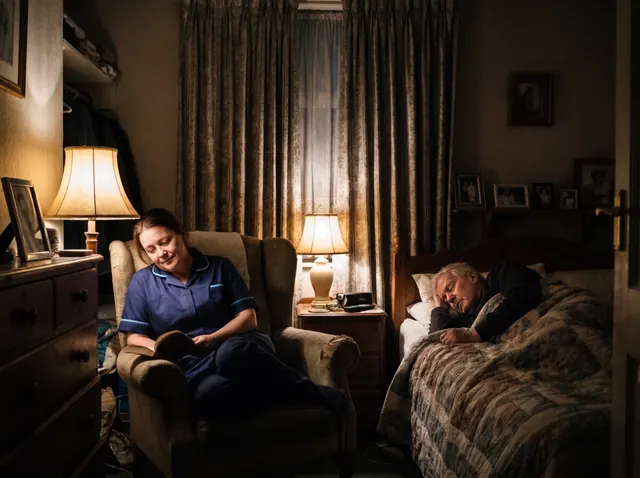
Overnight care
A carer in the house through the night, either awake or asleep in the spare room.
Read about overnight care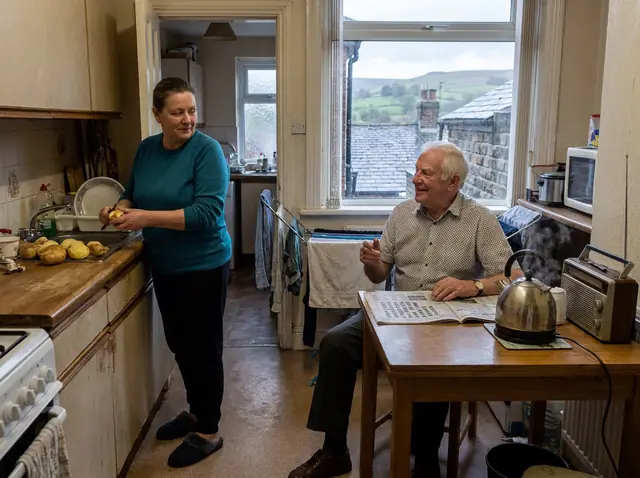
Live-in care
A carer who lives in the house with your mum or dad, instead of a move to a care home.
Read about live-in care
Book a free home visit
Tell us a little about what's happening and we'll ring to arrange a time. There's no charge and nothing to sign.
Or ring the office0161 637 6300- Open
- Monday to Friday, 9am to 5pm
- Office
- Suite 15, Orient House, Newton Street, Hyde SK14 4RY